
Professional Window Cleaning Equipment South Africa
Trusted by Commercial Cleaners & Homeowners Nationwide
Find Your Perfect Kit


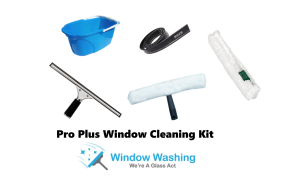


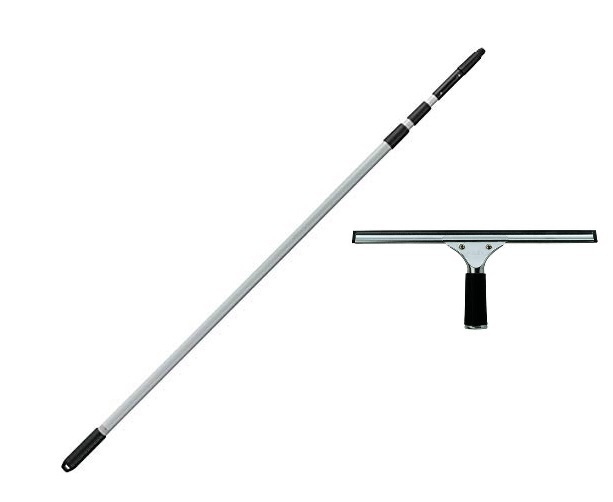

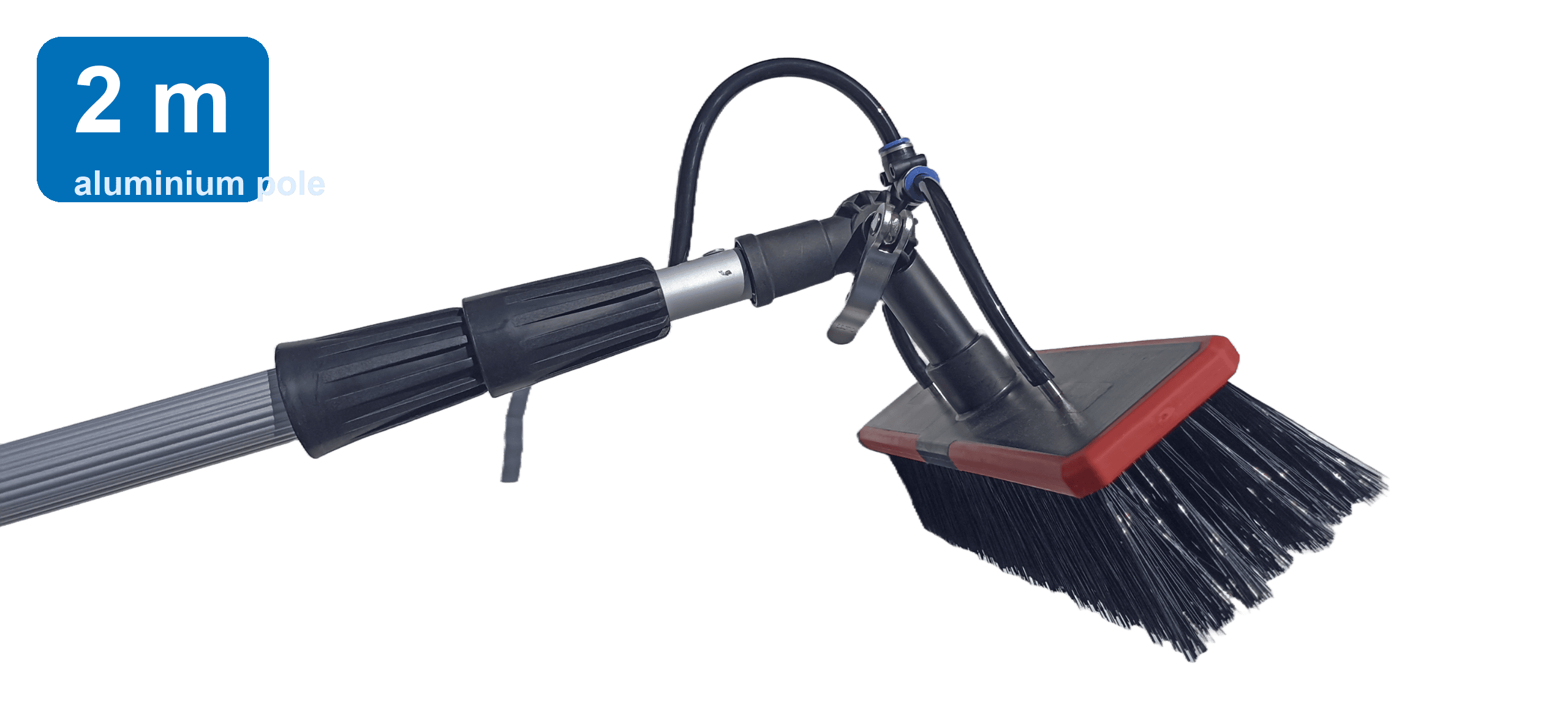
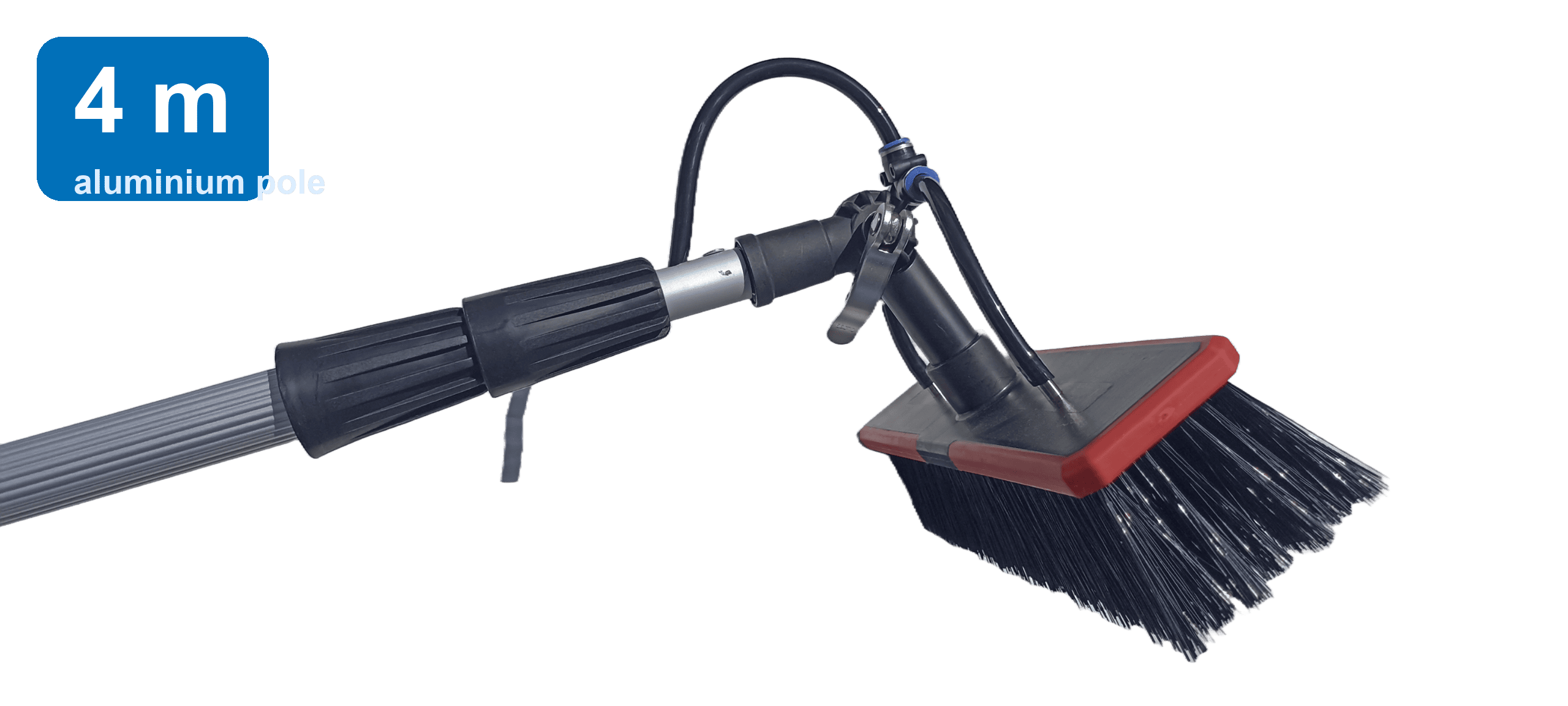







No products found
Try adjusting your filters or search criteria
Window Cleaning Equipment in South Africa
Window cleaning equipment includes squeegees, washers, telescopic poles, water-fed pole systems and complete cleaning kits used to clean glass at any height. Window Washing stocks 42 professional products, from R97.75 squeegee rubbers to R25,300 rotating solar cleaning machines. Every order ships nationwide in 3-5 days and equipment carries a 6-month guarantee.
Match your setup to your building height first, then narrow down by equipment type using the filters below. Most customers start with a complete kit and add extras over time — replacement rubbers, fresh sleeves, or a longer pole for upstairs glass.
Browse popular products Quick links
What you’ll find on this page:
- Complete kits for home use or professional jobs
- Telescopic options for hard-to-reach windows
- Squeegees, washers, sleeves and replacement rubbers
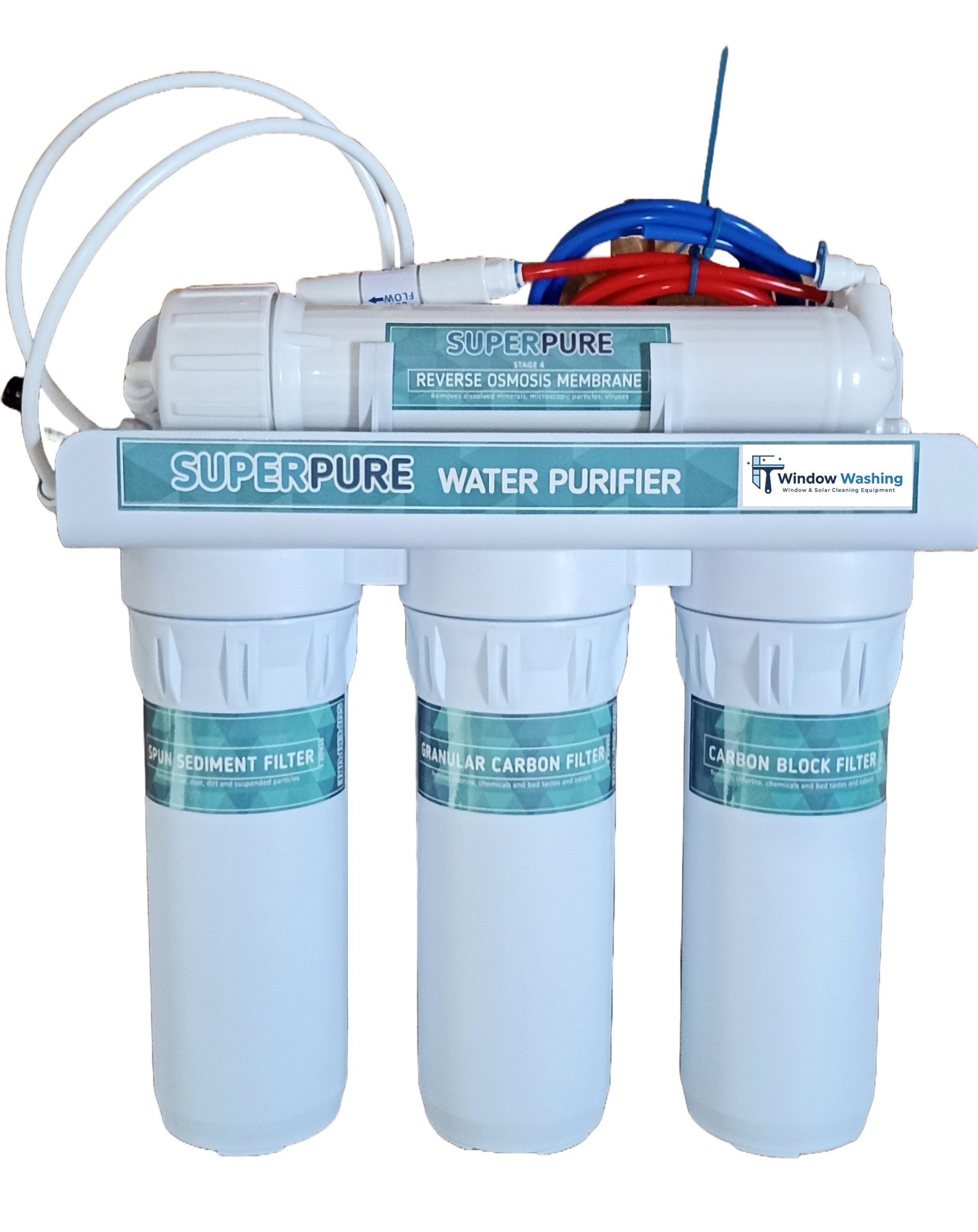
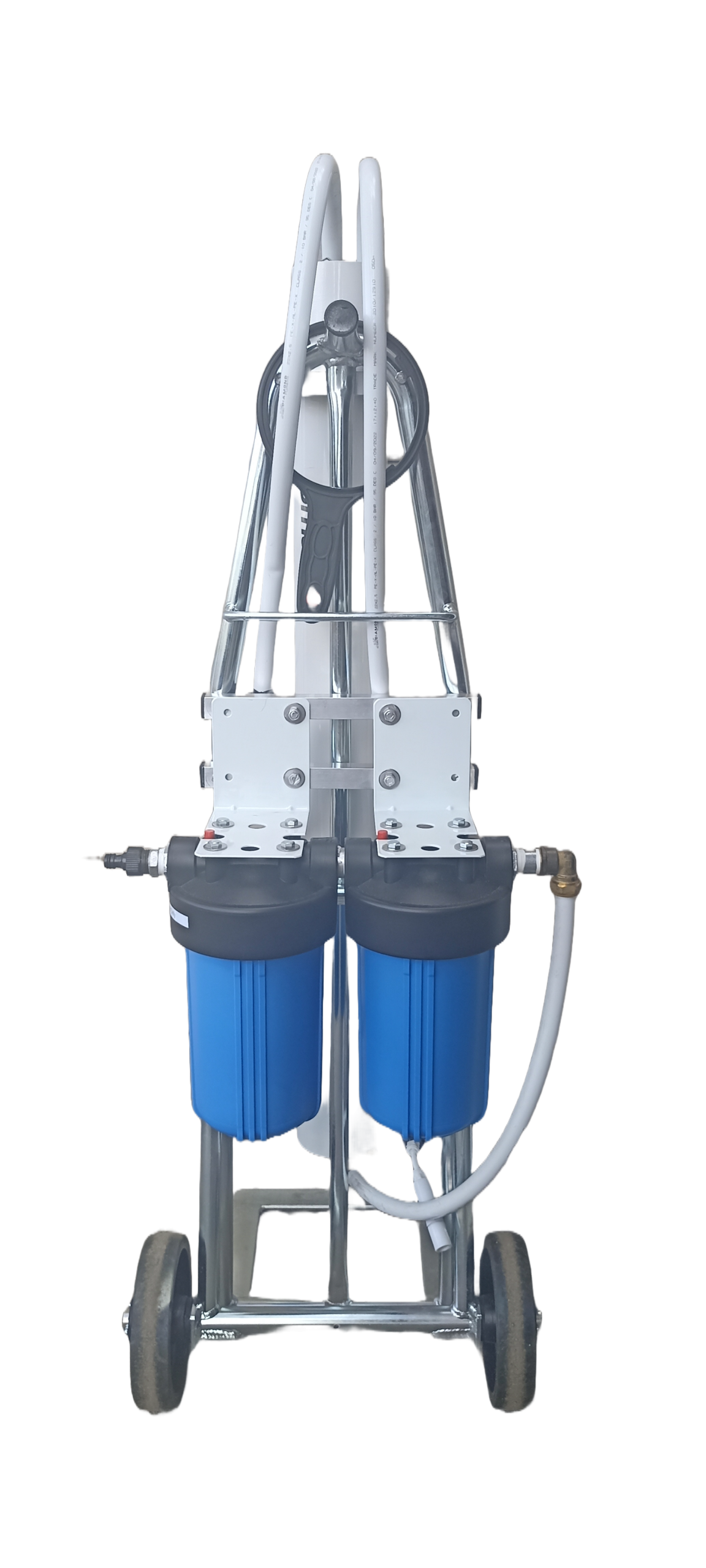
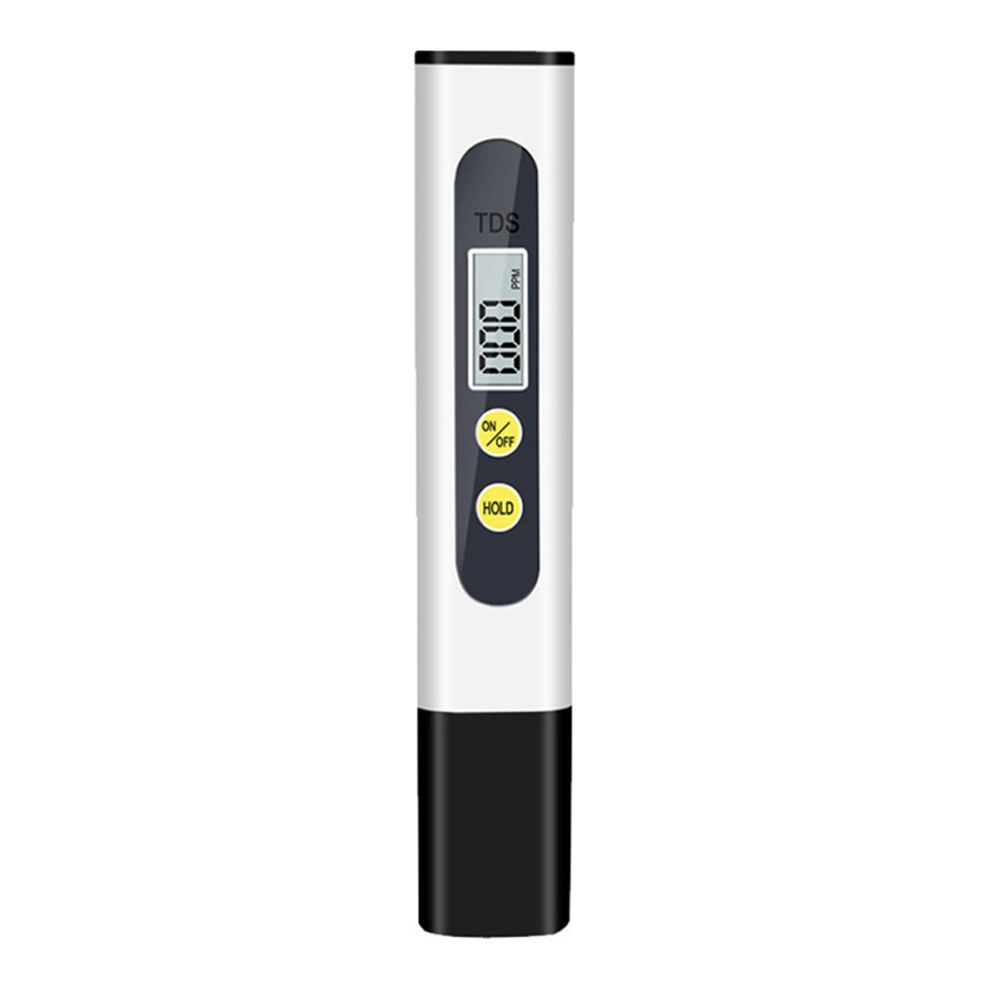
- Pure-water equipment (RO/DI, resin & canisters, tanks and testing tools)
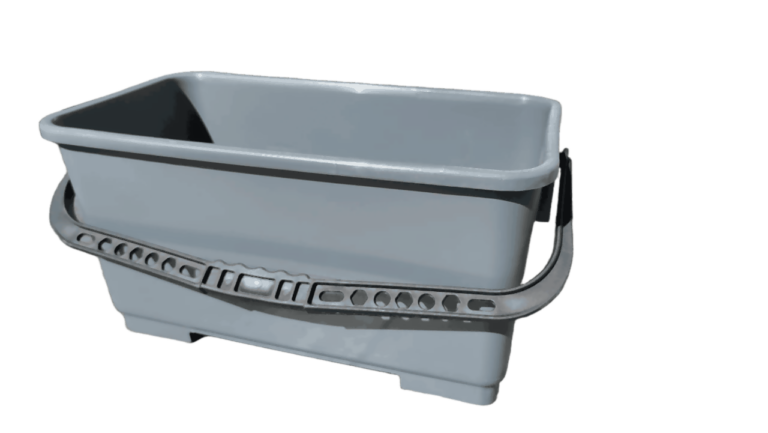
- Practical accessories like buckets and add-ons
Traditional tools demo (squeegee + washer)
A quick walkthrough of the traditional method using a squeegee, washer and bucket (and how the pole helps for reach).
6 Metre Pro Plus Kit overview
What’s included (35cm squeegee, washer + sleeves, 15L bucket) and how the 6m pole is used for 2-storey work.
9 Metre Pro Plus Kit walkthrough
Kit contents and the 9m friction-fit pole design for reaching 3-storey+ windows.
Find Equipment For Your Needs
Ground Floor
Basic kits
1-Storey
4m poles
2-Storey
6m poles
3-Storey
9m poles
Featured Window Cleaning Equipment
Quick picks from popular categories. Use the filters above to see the full range.
Window Cleaning Equipment FAQs
What equipment do I need to get started?
A complete kit is the simplest start, because it pairs a squeegee, washer and pole matched to your building height. The Basic Kit at R1,155.75 covers ground-floor glass with a 35cm squeegee, washer and 15L bucket. Choose by reach for upstairs windows: a 4m kit for single storey, 6m for double storey and 9m for triple storey.
What’s the difference between telescopic poles and waterfed poles?
A telescopic pole holds a squeegee or washer, so you clean the traditional way by wetting and blading the glass. A water-fed pole feeds RO or DI purified water through a brush head, so the glass dries spot-free with no detergent and no second pass. Water-fed suits exterior glass at height, and telescopic suits detail work.
Which kit is best for 2‑storey windows?
Double-storey glass needs roughly 6 metres of reach. The Double-Storey Kit at R2,650.75 pairs a 6m pole with a squeegee and washer. The 6m Pro Plus Kit at R2,898.00 adds a spare sleeve and a spare 71cm rubber for regular use. A 6m Water-Fed Pole Kit reaches the same height with a pure-water finish.
Do you deliver nationwide in South Africa?
Yes. Every order ships anywhere in South Africa by courier — typically 3-5 business days to Cape Town, Johannesburg, Pretoria, Durban, Gqeberha, Bloemfontein and East London, and slightly longer for outlying towns. Equipment carries a 6-month guarantee. Consumables such as squeegee rubbers, washer sleeves and DI resin ship on the same service. Orders are dispatched from Somerset West in the Western Cape.
Why Choose Window Washing South Africa?
6-Month Guarantee
All equipment comes with our 6‑month warranty for peace of mind.
Fast Nationwide Delivery
Nationwide delivery, typically 3–5 business days to major cities.
Expert Support
Our team helps you choose the right equipment for your needs.
Need Help? Contact Us
Helpful Window Cleaning Guides
- 2025 Buyer’s Guide: Best Window Cleaning Equipment in South Africa
- Squeegees, Channels & Rubbers: Sizes & Maintenance Guide
- Common Window Cleaning Mistakes to Avoid
Not sure which setup you need? Our complete window cleaning kits pair the right pole, squeegee and washer by building height — from ground floor to triple storey.
What each piece of window cleaning equipment is called
Five tools cover almost every window cleaning job. Each tool has one role, and the names below are the terms used across the trade in South Africa.
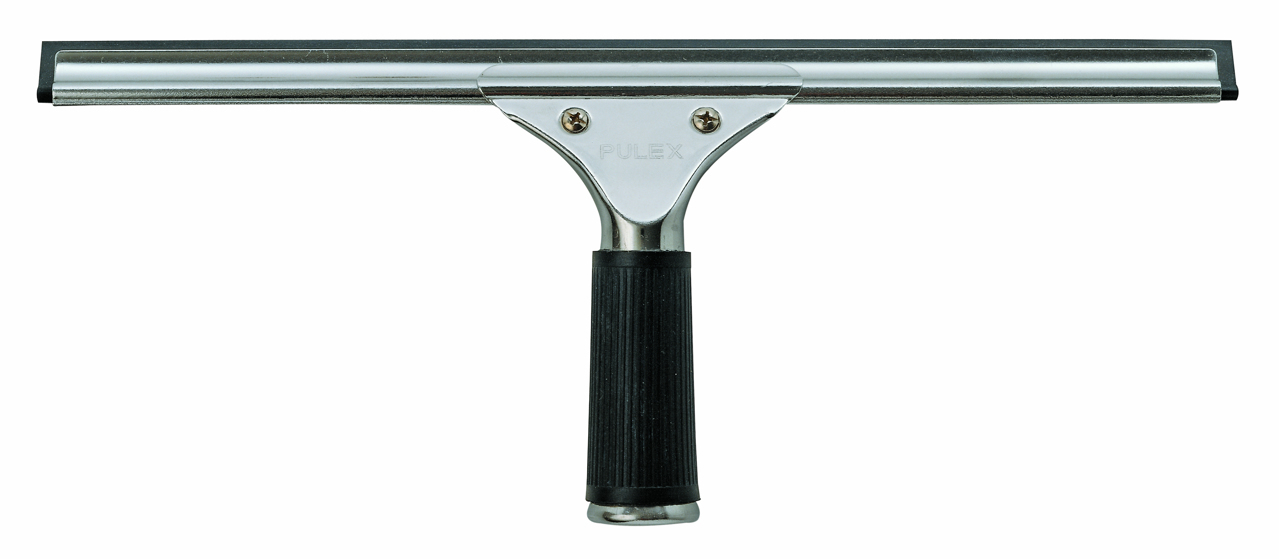
- Squeegee — the finishing tool. It removes water in controlled strokes for a streak-free finish. The channel is stainless steel and the rubber is a replaceable wear part.
- Washer (scrubber and sleeve) — the scrubbing tool. It wets the glass and lifts dirt before the squeegee passes. The microfibre sleeve is replaceable and fits a telescopic pole.
- Bucket — the solution holder. A 15 litre bucket takes a full 45cm washer without spilling.
- Telescopic pole (telepole) — the reach tool. It extends from 2 m to 9 m so high glass gets cleaned from the ground instead of a ladder.
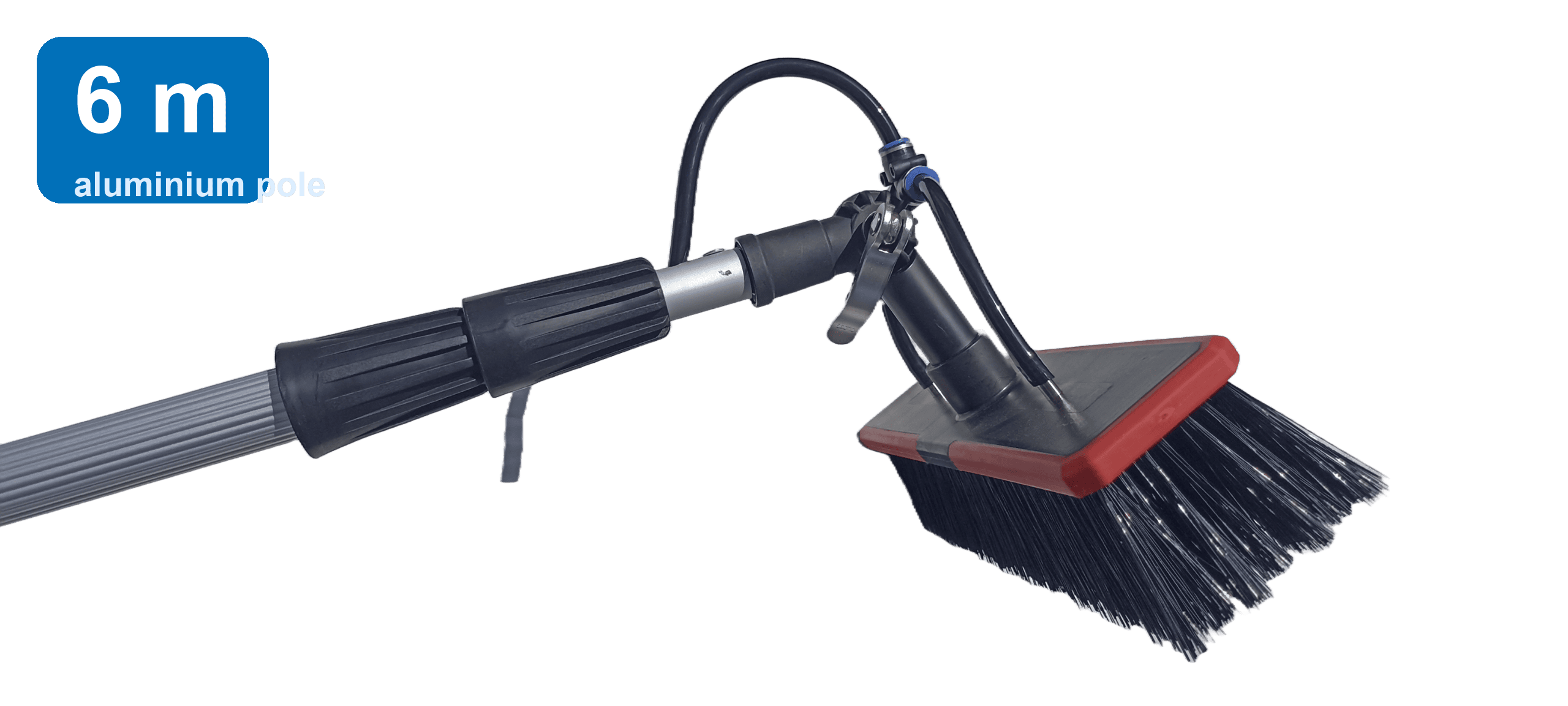
- Water-fed pole system — the scale tool. It feeds RO or DI pure water through a brush head, so glass dries spot-free with no detergent.
Professional & Commercial Window Cleaning Equipment
Contractors and facilities teams buy on durability and reach rather than price. Commercial-grade squeegees take replaceable Pulex rubbers, water-fed pole systems clean three storeys from the ground, and pure-water filtration removes the detailing step from every job. Full specifications, trade pricing and bulk consumables sit on Professional & Commercial Window Cleaning Equipment.
From squeegees and washers to water-fed poles, telescopic poles and complete kits, we stock the window cleaning tools, gear and utensils that professional cleaners across South Africa rely on every day.
Industrial, Commercial and Professional Window Cleaning Equipment
The same range covers three quite different buyers, and the right kit is not the same for each.
Industrial window cleaning equipment
Factories, warehouses and plant rooms mean height, hard water and glass that is rarely cleaned. That points at a water-fed pole system running purified water, a 9m fibreglass pole for reach, and spare rubbers bought by the box rather than one at a time. Ladders are usually ruled out by site safety rules, which is what makes reach from the ground the deciding feature.
Commercial window cleaning equipment
Shopfronts, offices and complexes are mostly ground to double storey, cleaned often, on a schedule. Speed matters more than reach. A 4m or 6m telescopic pole, a 45cm squeegee and a bucket on a belt covers most of it, and consumables — rubbers and washer sleeves — become the real running cost.
Professional window cleaning equipment
Working for money changes what you buy. Stainless-steel squeegee channels rather than plastic, replaceable rubbers rather than sealed heads, and a pure-water setup so glass dries spot-free without being touched twice. The Pro Plus kits are built around exactly that: pole, squeegee, washer, plus the spare sleeve and rubber you will need in week two.
Window cleaning tools: what each one is for
Five tools do almost all the work. Everything else is a variation on them.
- Squeegee — the blade that clears the water. Size to the pane, not to the price: 35cm for domestic glass, 45cm for shopfronts. See squeegees and washers.
- Washer (applicator) — the microfibre sleeve that carries water and lifts dirt before the squeegee touches the glass.
- Telescopic pole — reach from the ground, 2m to 9m. See telescopic poles.
- Water-fed pole — a pole with a brush head and jets, fed with purified water, so the glass dries itself with no squeegee stage at all.
- Bucket and belt — unglamorous and the thing most beginners skip; it is what makes the other four quick to use.
Which combination you need depends on the highest window you have to reach — the kit guide walks through it by storey.